

How to Avoid Creativity Traps
... and gain the skill of learning to see.

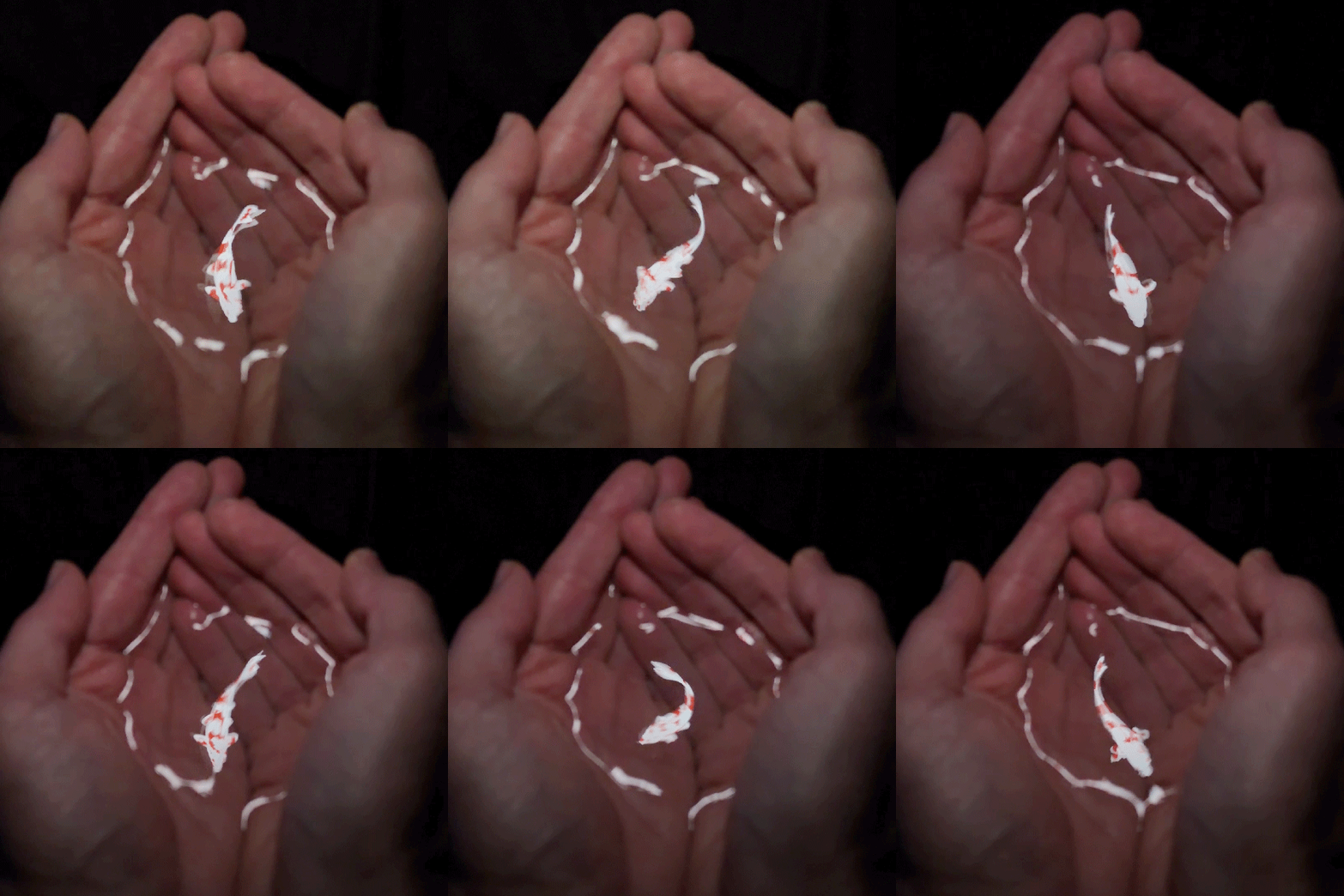
Continuing from my last post, this is part 2 of my unedited interview with It’s Nice That. Part 1 explains where inspiration comes from. Like I said, it hides in plain sight. The follow-up question is how do you learn the skill of finding hidden beauty/inspiration? Is that even possible, or is it just a special talent reserved for artists? Yes, creative discovery is a skill that can be learned.
The design school I went to taught ways of seeing that were developed by an artist named Reinhold Marxhausen. My ideas of finding beauty in the ordinary are just restating his philosophy. Marxhausen said, “You have to work at seeing. It must be an aggressive act of visual curiosity.” The challenging words there are “work” and “aggressive.” What does this mean? When our eyes are open they are “on” so it seems contradictory to have to work at it. We either see something or we don’t, right? And what does it mean that seeing is an “aggressive act?”
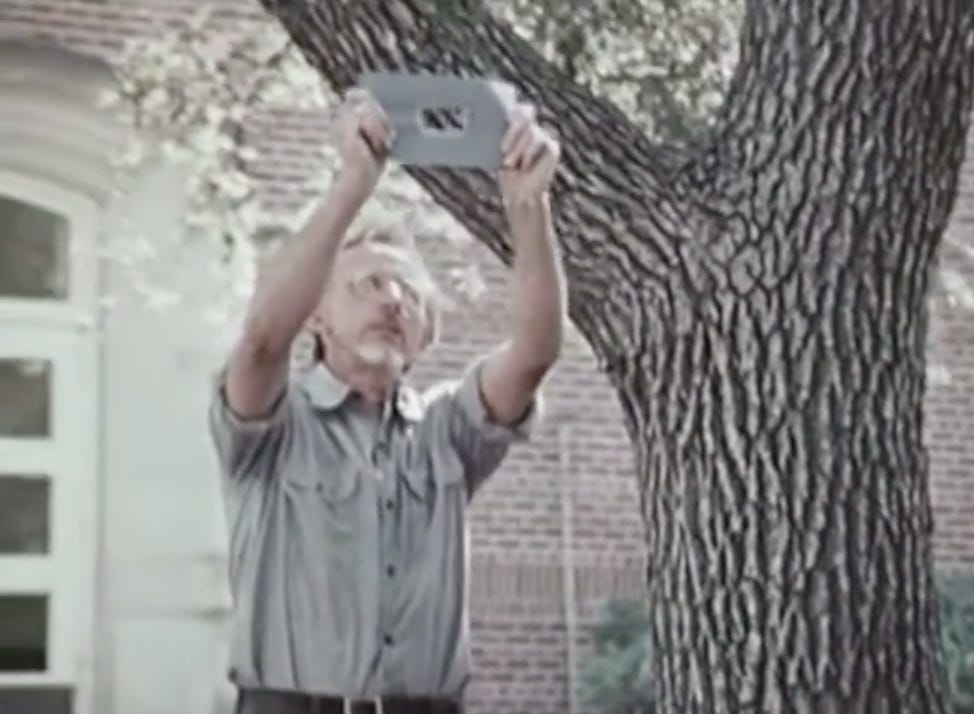
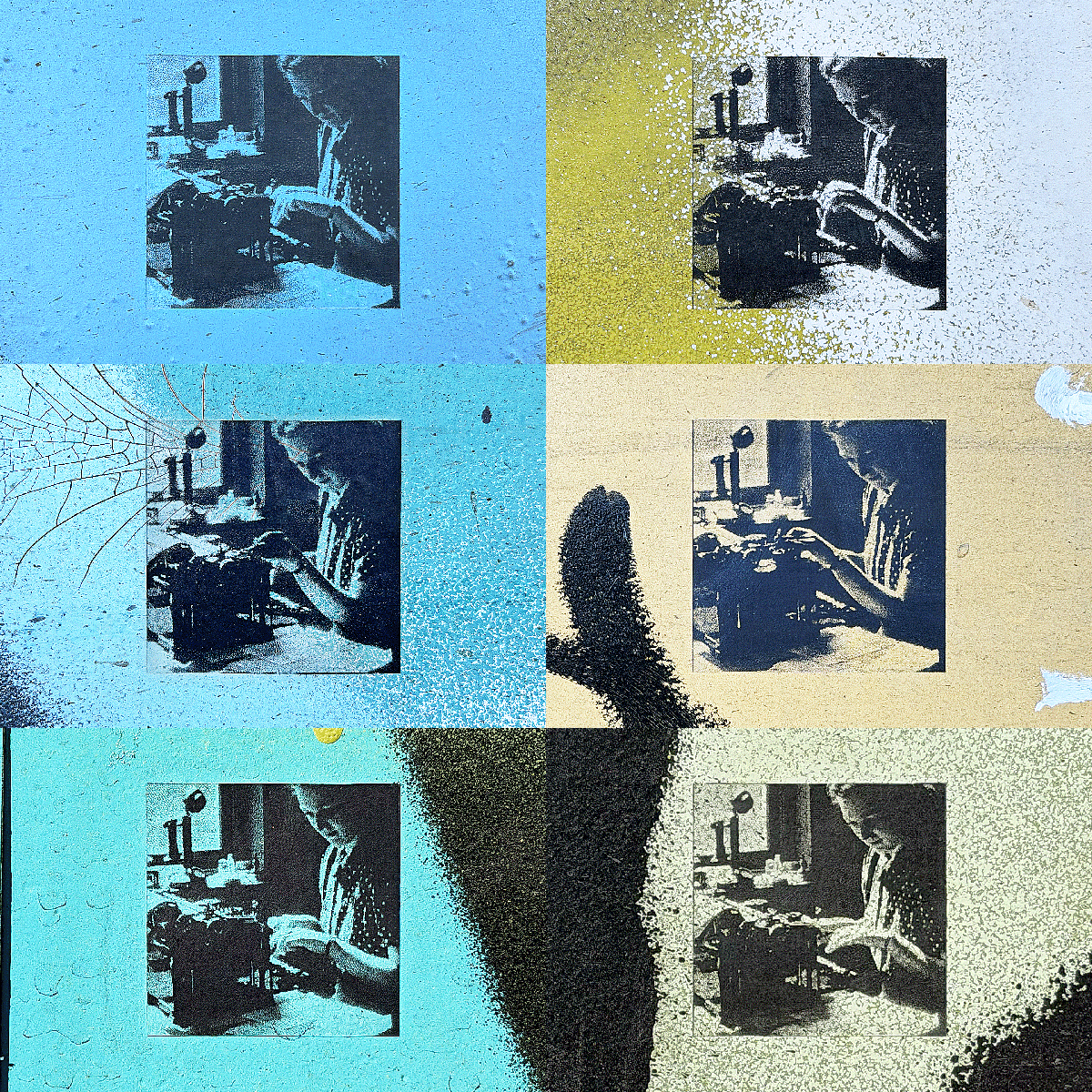
But when you actually practice “seeing” you eventually realize that this isn’t a passive activity. The act of seeing actually changes the world. I know it sounds ridiculous, but it’s actually extremely practical. Take the example of the garage sale stickers I described in my last post. If I hadn’t actually “seen” them they would be lost in a drawer or the trash. Seeing was the first step of transformation. I believe that this extends beyond just art. Anyone in search of innovation, originality, and reinvention needs to be able to see the world differently. The way to get there is to practice seeing. And anybody can do it.
What’s the best way to get better at seeing?
There are many traps that we can fall into when we want to find or create something beautiful. Both of these are very modern, very American, and so mainstream that it feels blasphemous to even question them.
One trap is the temptation to buy new gear. We love tools. It’s so easy to believe that if we just had the right camera, the right software, the best instrument... we’d be able to make something beautiful. You end up spending all this money, it shows up at your doorstep, you open the box, you try to make something with it, and then... disappointment. We put the gear in a closet and feel ashamed. We blame ourselves for not having talent. We give up.
Another trap is strategizing our way to creativity. The rest of our lives revolve around comprehensive plans, why would creativity be any different? So we make a goal to be creative, convert that goal into a plan, schedule the steps, and align everything in preparation for your masterpiece. This is a perfect recipe for writer’s block. You sit down to execute the fool-proof plan and nothing comes out. And again we end up blaming ourselves. It’s not the plan’s fault, there must be something wrong with me! And we give up again.
How do we avoid traps like these?
Inspiration or “The Muse” as Steven Pressfield calls it in The War of Art doesn’t care about your gear. It doesn’t work on your schedule. You have to sneak up on it. If you find yourself stuck, here’s what I suggest. This is some very un-American, anti-modern advice. Do nothing. Seriously, do nothing. Your phone will beg you to pacify your boredom. But just sit there and observe yourself. This will feel very uncomfortable, like you are wasting time. But just be alert, patient, and curious.
You are waiting for dissonance, for something on the fringe of your awareness to trigger your attention. Here, at the dawn of consciousness is where the embryo of creativity can form. Be open to the mystery hiding in the 99% of your surroundings that you are blind to. You can’t predict where this will take you, but something will surprise you. That’s why I say beauty is hiding in plain sight.
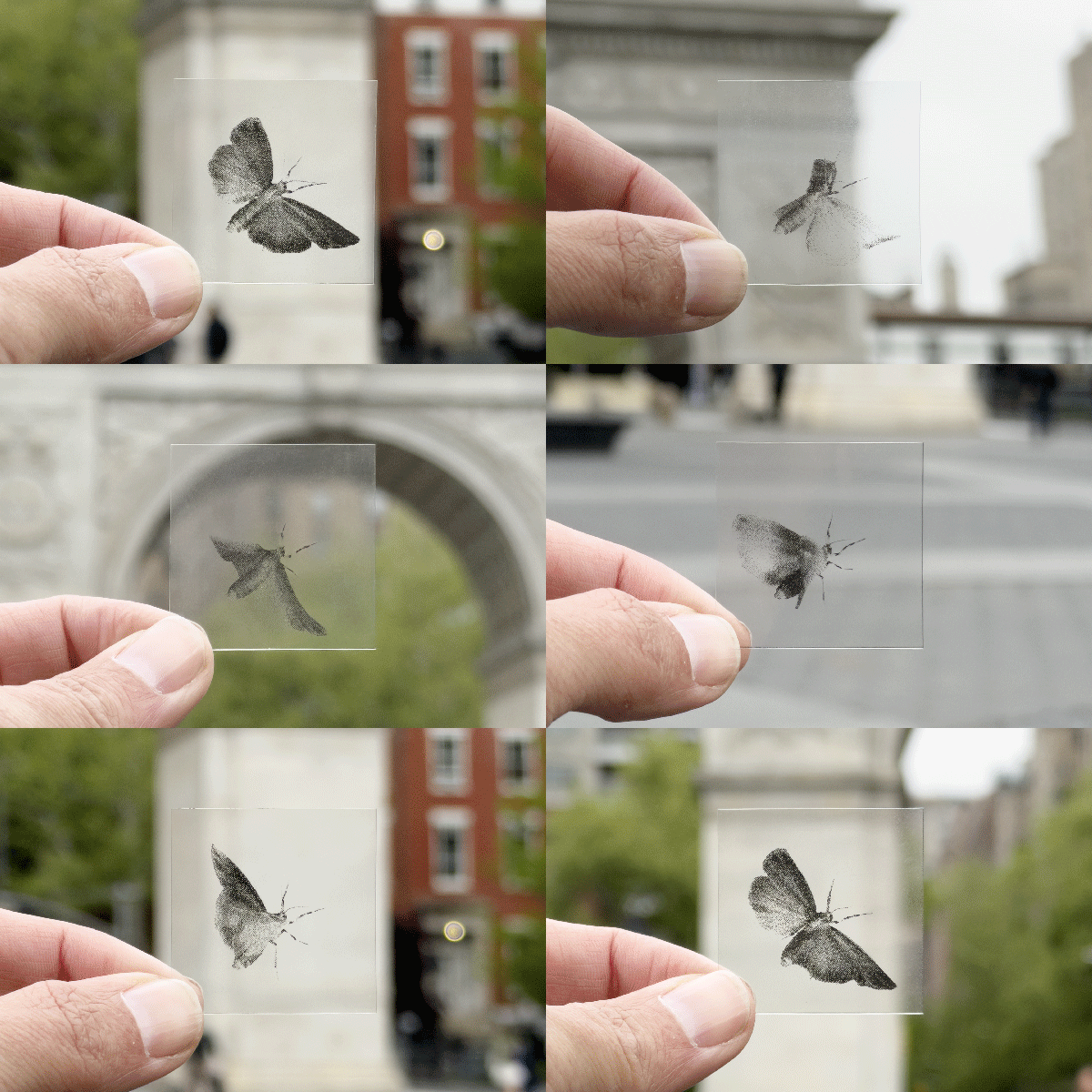
This sounds redundant, but the thing to pay attention to are the things you notice. The reason you noticed it is because it broke through your filters. Pay attention to the tiny “that’s interesting” moments. Some part of you is curious. Indulge the curiosity and see where it takes you. It might be a dead-end, but that’s not failure.
Can anything become interesting if you look at it closely enough?
Definitely. I like to say, “The more you look, the more you see.” Sometimes it takes a change of perspective. You might need to experiment with different ways of shining light on it. Get closer or farther away. Flip it in a mirror. That doesn’t mean you will always strike gold but you’re guaranteed to see something you’ve never seen before and to come away changed.
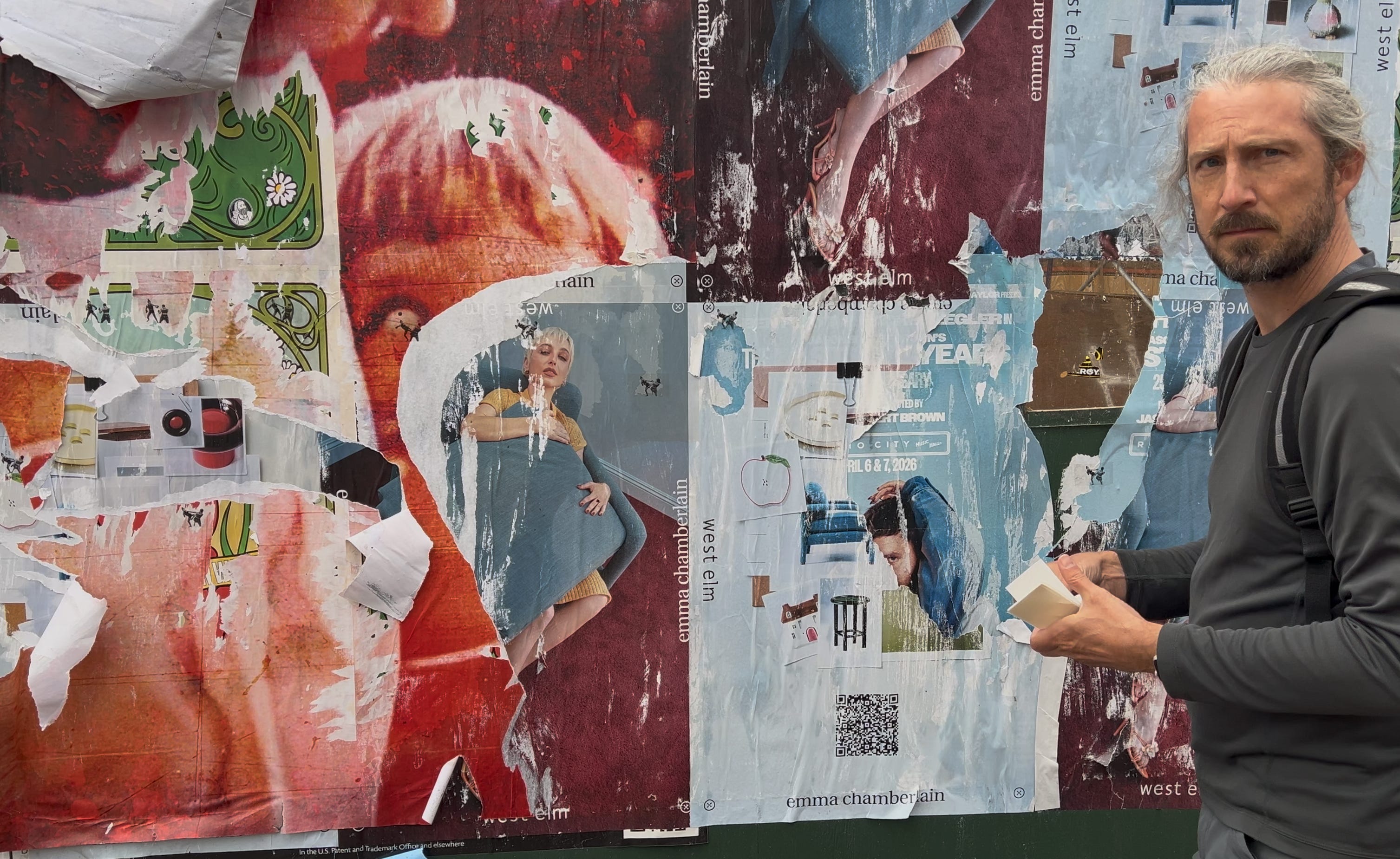
Thanks for reading. I’ve got one more post in this series. By the way, if you want to see the version published by It’s Nice That, it can be found here. And stay tuned for the story of my recent trip to NYC. (Spoiler: it was awesome.)
Stay creative. Your friend,
Ade
Can't wait to hear about the NYC trip!